
About Kolesky Medical Education
The work
Kolesky Medical Education exists for one reason: to produce clinical tools and education that hold up under the pressure of a real consulting day.
That means courses designed to answer the questions practitioners actually have, in the order they actually encounter them. Instruments designed to compress diagnostic workload without sacrificing clinical rigour. Documentation that is precise, regulator-aware, and written in language a working clinician can use without translation.
KME is, and will remain, a clinician-led company.
Not a marketing-led one.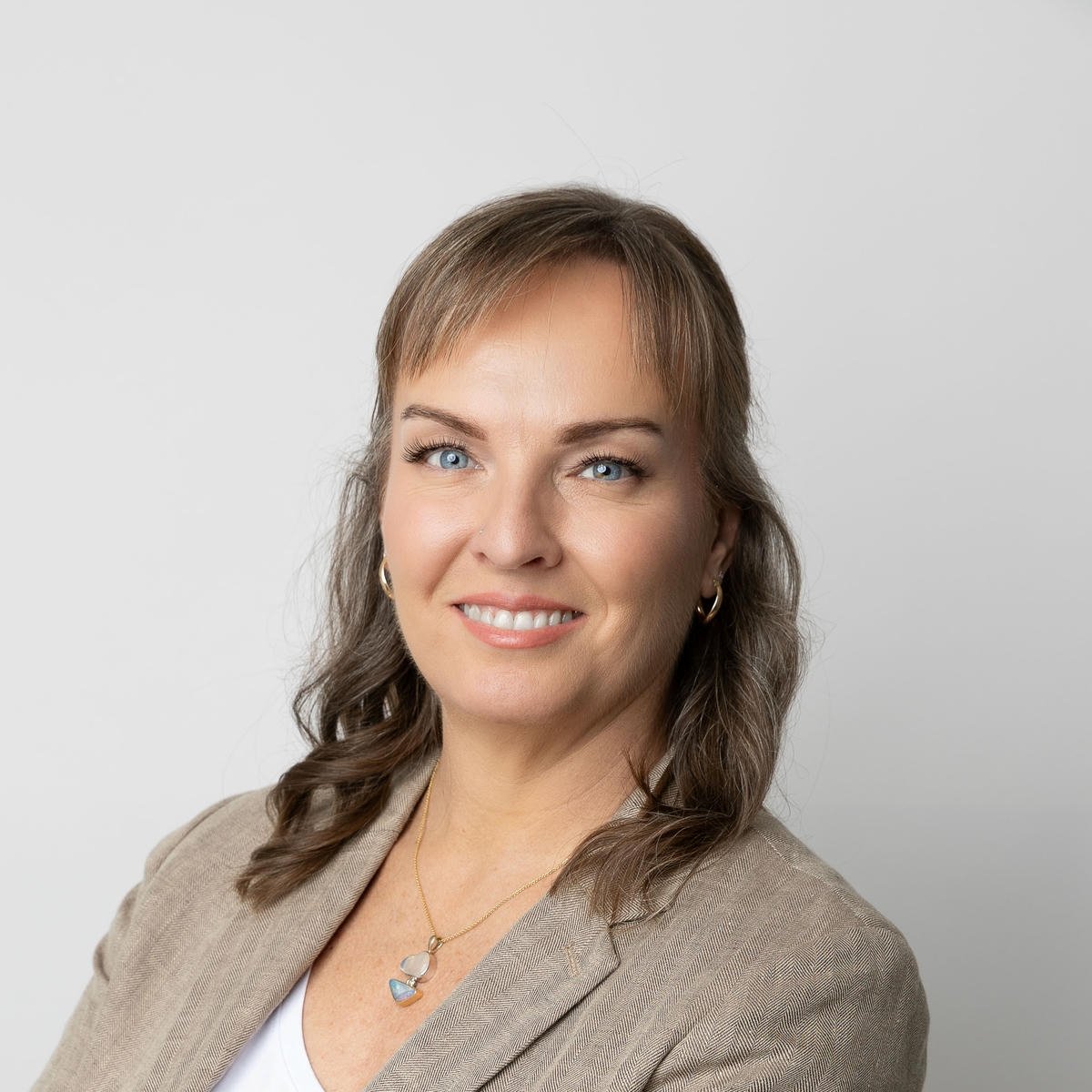
Dr Ananta Kolesky
The gap KME was built to fill
KME develops CPD-accredited medical education and clinical frameworks that translate complex medical guidance into practical consulting-room workflows for modern general practice.
After more than 25 years in Australian general practice, I built KME around a pattern I kept seeing. The conditions that take up the most consulting time – and that most affect long-term patient outcomes – are often the ones where a guideline exists but a workable clinical process does not.
The same gap appears across some of the most common and clinically demanding presentations in general practice: women's hormonal health across the reproductive and post-reproductive lifespan, contraceptive decision-making, bone density and fracture risk, adult ADHD, and other areas where high-quality guidance has been published but has not yet been translated into a process the GP can use inside a real consultation.
The clinical responsibility sits with the GP. What they are given to do that work with is fragmented, buried in long guideline documents, or simply absent.
KME exists to build the scaffolding that closes that gap.

KME currently focuses on three connected areas: the Kolesky-ADHD-EFA® assessment system, CPD-accredited courses for working GPs, and a growing library of clinical decision tools, patient handouts, and consulting-room aids.
Each is designed to support real-time clinical decision-making during the consultation, not sit unused in a folder afterward. Each is built to the same clinical standard and approach.
The goal is not to add complexity to the consultation, but to support clearer clinical reasoning within the realities of everyday practice.Symptoms are easier to name than to explain. The patient presenting with low mood, fatigue, insomnia, poor concentration, or brain fog is rarely showing a single isolated problem; they are presenting with the visible effects of a system under strain.
Good general practice requires more than assigning a label. It requires identifying the factors that meaningfully explain what is happening for the patient in front of you – sleep disruption, medication effects, hormonal transition, stress load, nutritional factors, comorbidity, and lifestyle context – and addressing them alongside conventional treatment, not instead of it.
This is not a different kind of medicine. It is the kind of careful, whole-patient general practice most clinicians were trained to aim for, translated into processes that remain workable within the realities of everyday practice.
Adult ADHD was the first major KME project and remains the clearest example of this approach in action. The NHMRC-approved Australian guideline tells a GP what good practice looks like. It does not give the GP a structured, time-realistic way to sit a patient down on a Tuesday morning, work through the assessment defensibly, and make a treatment decision – rather than the patient waiting ten months to see a private psychiatrist.
Across Australia, GPs are increasingly being asked to take on assessment and management that previously sat with specialist services. Queensland, New South Wales, Victoria, Western Australia, and South Australia have all moved to enable expanded GP-led ADHD care, and the RACGP and ACRRM have jointly called for nationally consistent rules. The reform is national, the trajectory is clear, and the practical systems required to support GPs through that transition have not kept pace.
KME was built to help close that operational gap. The Kolesky-ADHD-EFA® is the first piece of that scaffolding made operational: a structured assessment system that gives GPs a defensible clinical pathway from intake to decision, within the realities of everyday practice.
Approach
KME’s clinical orientation is integrative in the practical sense: it is designed to help clinicians think across systems, mechanisms, and contributing factors rather than viewing symptoms in isolation.
Practitioners who complete a KME course may find themselves asking different questions, recognising previously overlooked patterns, and approaching complex presentations with greater structure and clarity.
The standard of care does not change; the depth of clinical reasoning does.
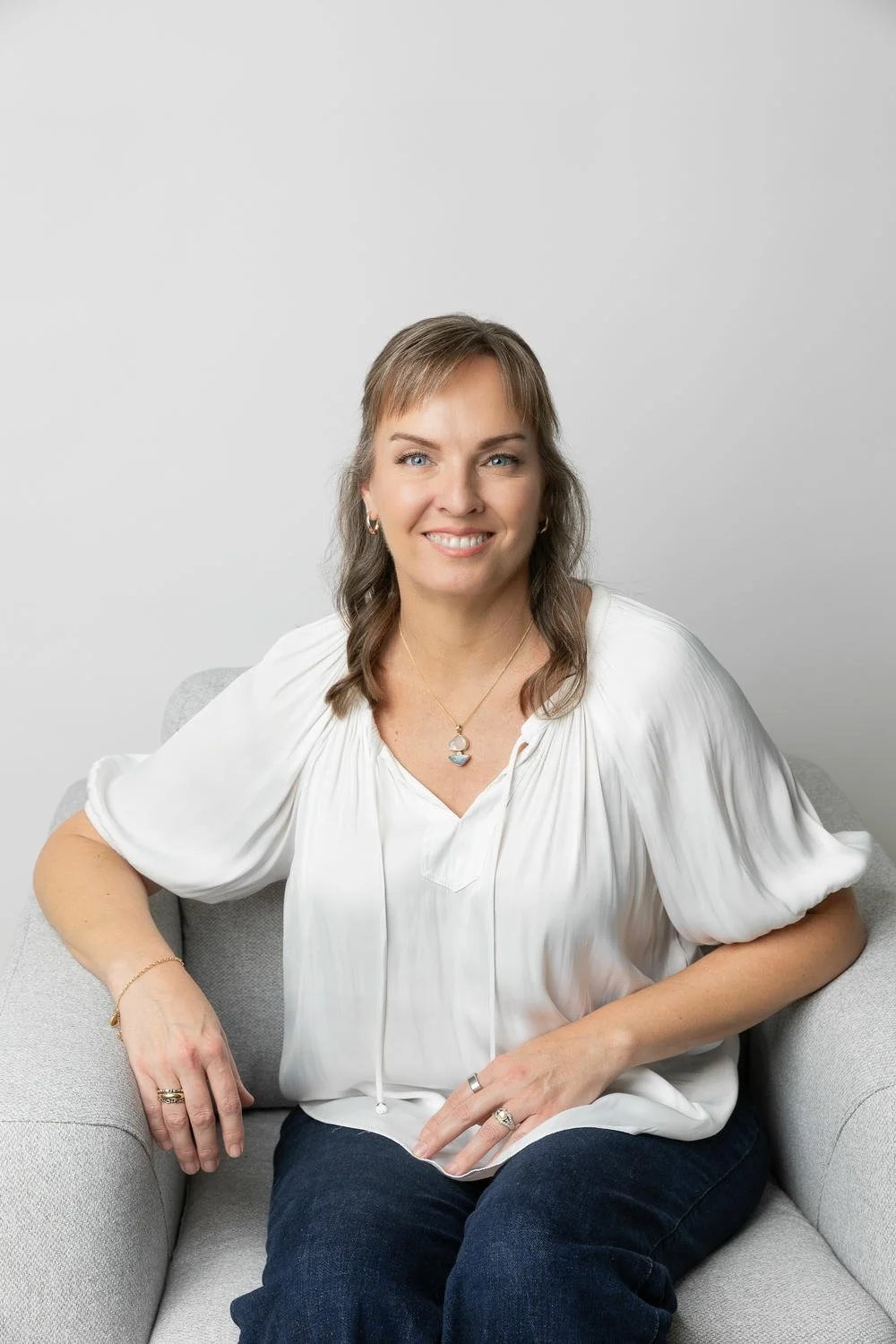
Dr Ananta Kolesky
Dr Kolesky is a Specialist General Practitioner and Rural Generalist with extensive clinical experience across General Practice, Emergency Medicine, Hospital Medicine, Rural and Remote practice, and Integrative Medicine.
She graduated from the University of the Orange Free State in 1999. Her qualifications include MBChB (UOFS), FACRRM (Specialist GP / Rural Generalist), GEM (Generalist Emergency Medicine – Advanced Specialised Training under FACRRM), AMC, ACAAM and IFMCP.
AHPRA registration number: MED0000957417
For Dr Kolesky’s broader clinical profile and practice information, visit vitalitysolutions.com.au.

Vitality Solutions
KME is a separate company from Dr Kolesky's clinical practice. Patients seeking a personal consultation can find her clinical practice at vitalitysolutions.com.au.
Corporate
Kolesky Medical Education Pty Ltd
ABN 14 696 974 562 | ACN 696 974 562
Based in Gladstone, Queensland, Australia
All intellectual property used by KME is owned by Beacon Ventures Pty Ltd as trustee for the Kolsen Family Trust and exclusively licensed to KME.